- English
- Español
- Português
- русский
- Français
- 日本語
- Deutsch
- tiếng Việt
- Italiano
- Nederlands
- ภาษาไทย
- Polski
- 한국어
- Svenska
- magyar
- Malay
- বাংলা ভাষার
- Dansk
- Suomi
- हिन्दी
- Pilipino
- Türkçe
- Gaeilge
- العربية
- Indonesia
- Norsk
- تمل
- český
- ελληνικά
- український
- Javanese
- فارسی
- தமிழ்
- తెలుగు
- नेपाली
- Burmese
- български
- ລາວ
- Latine
- Қазақша
- Euskal
- Azərbaycan
- Slovenský jazyk
- Македонски
- Lietuvos
- Eesti Keel
- Română
- Slovenski
- मराठी
- Srpski језик

What Are the Advantages of Using HDPE Electrofusion Fittings in Pipeline Systems
For over two decades working in the tech and infrastructure space, I’ve seen countless materials and methods come and go. Yet, few innovations have impressed me as much as the lasting impact of HDPE Electrofusion Fittings in modern pipeline networks. At SUNPLAST, we’ve dedicated years to perfecting this technology, and I’d like to share why these fittings have become the go-to choice for engineers and project managers worldwide. Whether you’re tackling a municipal water project or an industrial installation, understanding the strengths of HDPE Electrofusion Fittings can transform your approach to pipeline integrity and longevity.
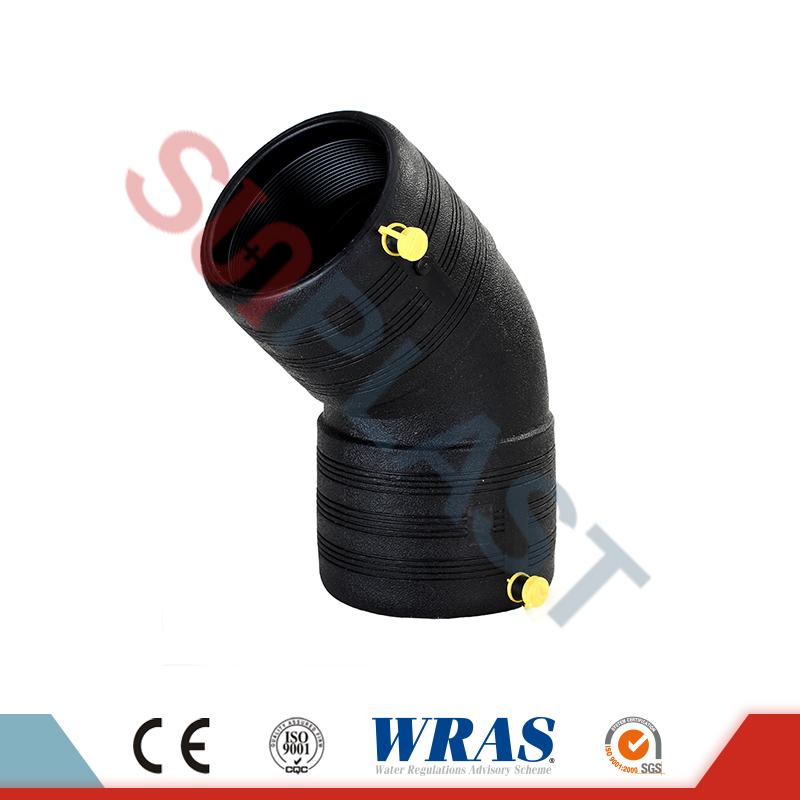
What Makes HDPE Electrofusion Fittings So Durable and Reliable
The core advantage of HDPE Electrofusion Fittings lies in their exceptional material science and fusion process. High-Density Polyethylene (HDPE) is renowned for its toughness, but when combined with electrofusion technology, it achieves unparalleled performance. The electrofusion process involves heating the interface between the fitting and the pipe using embedded wire coils, creating a seamless, homogenous joint that is as strong as the pipe itself. This eliminates weak points often found in mechanical joints.
Key durability parameters include
-
Resistance to corrosion and chemical attacks
-
Immunity to electrolytic and galvanic corrosion
-
Flexibility to withstand ground movements and seismic activity
-
Long service life exceeding 50 years under normal conditions
At SUNPLAST, our fittings are engineered with premium-grade HDPE resins and precise coil placement, ensuring every joint meets the highest international standards. This reliability translates to fewer failures, reduced maintenance, and ultimately, lower total cost of ownership for your pipeline system.
How Do HDPE Electrofusion Fittings Enhance Installation Efficiency
Time is money on any job site, and the installation advantages of HDPE Electrofusion Fittings are significant. Compared to traditional welding or flanging methods, electrofusion simplifies the process dramatically. It requires less equipment, fewer skilled laborers, and can be performed in challenging conditions, including wet or confined spaces. The consistency of the fusion cycle, controlled by our smart scanners at SUNPLAST, ensures perfect joints every time, reducing human error and rework.
Consider these efficiency metrics presented in the table below
| Installation Factor | Traditional Methods | SUNPLAST HDPE Electrofusion Fittings |
|---|---|---|
| Joint Completion Time | 30-60 minutes | 10-15 minutes |
| Equipment Required | Heavy welding gear, power sources | Portable electrofusion kit, scanner |
| Crew Size Needed | 3-4 skilled workers | 1-2 trained operators |
| Weather Dependence | High (dry conditions needed) | Low (suitable in damp conditions) |
| Post-Installation Testing | Mandatory pressure tests | Built-in fusion indicator and scanner log |
This streamlined process not only accelerates project timelines but also minimizes site disruption—a crucial factor in urban or environmentally sensitive areas. Our clients at SUNPLAST often report project completions weeks ahead of schedule, thanks to the efficiency of our electrofusion system.
What Are the Critical Technical Specifications of Quality HDPE Electrofusion Fittings
Not all fittings are created equal. As a professional, I always scrutinize product specifications to ensure they match project demands. SUNPLAST HDPE Electrofusion Fittings are manufactured to exacting tolerances, with each parameter optimized for performance. Below is a detailed breakdown of our standard specifications, which can also be customized for specialized applications.
| Specification | SUNPLAST Standard Range | Industry Standard | Benefit to Your Project |
|---|---|---|---|
| Material Grade | PE100 / PE100RC | PE80 / PE100 | Higher stress crack resistance, better long-term performance |
| Pressure Rating (PN) | PN16, PN20, PN25 | PN10, PN16 | Greater design flexibility for high-pressure applications |
| Size Range (Diameter) | 20mm to 800mm | 20mm to 500mm | Handles broader project scales, from service lines to mains |
| Fusion Coil Material | High-purity nickel alloy | Standard copper or alloy | More consistent heating, reliable fusion in variable climates |
| Certifications | ISO 9001, ISO 4437, ASTM F1055 | Varies by manufacturer | Guaranteed compliance for international and municipal projects |
These parameters ensure that HDPE Electrofusion Fittings from SUNPLAST deliver consistent, leak-free performance. The use of PE100RC (Resistant to Crack) material, for instance, is a game-changer for installations in unstable soils or areas with high traffic load, providing an extra safety margin that generic fittings cannot match.
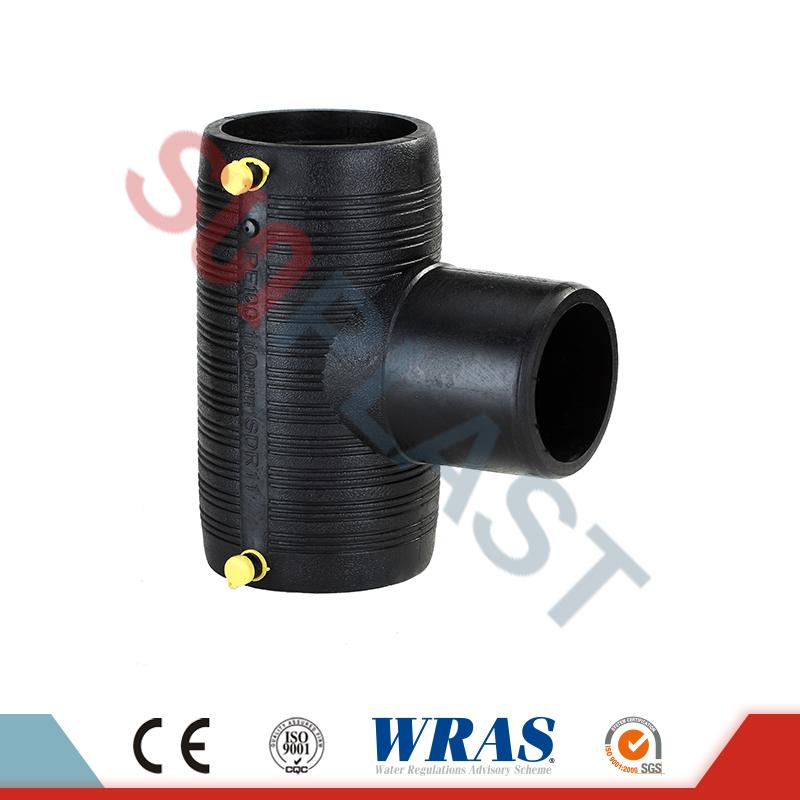
Why Are HDPE Electrofusion Fittings Cost-Effective in the Long Run
Initial cost is just one piece of the puzzle. Having overseen long-term infrastructure assessments, I can affirm that the true value of HDPE Electrofusion Fittings emerges over decades. Their leak-free nature eliminates water loss or product seepage, a critical factor for utilities facing scarcity or environmental regulations. The corrosion resistance means no expensive coatings, cathodic protection, or replacement due to rust—common headaches with metallic alternatives.
Moreover, the flexibility of HDPE pipes and fittings reduces the need for thrust blocks and anchors, cutting material and labor costs during installation. When you factor in the dramatically lower maintenance requirements and the avoidance of emergency repairs, the lifetime cost savings become compelling. SUNPLAST fittings are designed with these long-term economics in mind, offering a product that not only meets today’s budget but protects tomorrow’s balance sheet.
Can HDPE Electrofusion Fittings Solve Common Pipeline Pain Points
Absolutely. In my conversations with engineers and contractors, several pain points consistently surface. HDPE Electrofusion Fittings address these directly. For instance, concerns about joint integrity in areas with soil shifting or freeze-thaw cycles are mitigated by the flexible, monolithic joint created by electrofusion. Worries about installation errors leading to leaks are alleviated by our smart fusion technology that validates each joint electronically. Furthermore, the lightweight nature of HDPE eliminates the need for heavy lifting machinery, reducing site risks and costs. At SUNPLAST, we’ve focused on turning these industry frustrations into non-issues, building trust one perfect joint at a time.
Your Top Questions About HDPE Electrofusion Fittings Answered
Over the years, I’ve fielded countless queries about this technology. Here are three of the most frequent and detailed questions we receive at SUNPLAST.
What environmental conditions are suitable for installing HDPE Electrofusion Fittings
HDPE Electrofusion Fittings can be installed in a wide range of environmental conditions, including rain, humidity, and even underwater, provided proper surface preparation is done. The key is ensuring the pipe and fitting surfaces are clean, dry, and free from contaminants prior to fusion. SUNPLAST provides specialized cleaning tools and kits to prepare surfaces effectively, ensuring a strong bond regardless of the weather. However, extreme conditions like sandstorms or heavy particulate matter may require temporary enclosures to protect the fusion area.
How do I verify the quality of an electrofusion joint after installation
Quality verification is integral to the electrofusion process. Our SUNPLAST fittings incorporate a visual fusion indicator (a small peg that rises) and, more importantly, are used with our proprietary scanners. These scanners monitor and record key parameters—voltage, amperage, fusion time, and cooling time—for each joint, creating a digital log that confirms the procedure was executed correctly. This data can be stored for the asset’s lifetime, providing unparalleled traceability and peace of mind that surpasses any pressure test alone.
What is the maximum allowable angular deflection for HDPE Electrofusion Fittings
The allowable deflection depends on the fitting type and pipe diameter. For standard SUNPLAST saddle or coupler fittings, a cold deflection of up to 1.5 degrees per side (3 degrees total) is typically permissible without compromising joint integrity. For elbows or fabricated bends, the deflection is built into the fitting. It is crucial to consult the technical datasheet for the specific product and never force alignment during installation, as this can induce stress. Our technical support team is always ready to provide guidance for non-standard alignments.
The Future of Pipelines Is Fusion
Reflecting on two decades of progress, the shift toward HDPE Electrofusion Fittings is more than a trend—it’s a logical evolution toward more resilient, efficient, and sustainable infrastructure. The technical superiority, combined with the tangible project benefits, makes a compelling case for their adoption. At SUNPLAST, we are not just suppliers; we are partners in building systems that last. We invite you to experience the difference that professionally engineered fusion technology can make.
Ready to discuss how HDPE Electrofusion Fittings can optimize your next pipeline project Contact us today at SUNPLAST. Our team of experts is eager to provide detailed specifications, CAD drawings, or even a live demonstration. Let’s build something enduring together.