- English
- Español
- Português
- русский
- Français
- 日本語
- Deutsch
- tiếng Việt
- Italiano
- Nederlands
- ภาษาไทย
- Polski
- 한국어
- Svenska
- magyar
- Malay
- বাংলা ভাষার
- Dansk
- Suomi
- हिन्दी
- Pilipino
- Türkçe
- Gaeilge
- العربية
- Indonesia
- Norsk
- تمل
- český
- ελληνικά
- український
- Javanese
- فارسی
- தமிழ்
- తెలుగు
- नेपाली
- Burmese
- български
- ລາວ
- Latine
- Қазақша
- Euskal
- Azərbaycan
- Slovenský jazyk
- Македонски
- Lietuvos
- Eesti Keel
- Română
- Slovenski
- मराठी
- Srpski језик

Why Is HDPE Pipe the Practical Answer for Long-Term Piping Performance?
When buyers compare piping materials, the real question is rarely about price alone. It is usually about leakage risk, installation difficulty, service life, maintenance cost, and whether the pipeline will still perform well after years of pressure, weather exposure, and ground movement. That is exactly where HDPE Pipe stands out. For water supply, drainage, industrial transport, irrigation, mining, and infrastructure networks, this material offers a balance of toughness, flexibility, corrosion resistance, and installation efficiency that many traditional options struggle to match.
At Ningbo Sunplast Pipe Co., Ltd., we understand that customers are not just buying pipe. They are trying to avoid future failure, unexpected downtime, repeated repairs, and project delays. This article takes a practical look at what makes HDPE Pipe a dependable choice and how it helps solve the most common concerns faced by contractors, distributors, engineers, and project owners.
Article Summary
This article explains why HDPE Pipe is widely chosen for modern piping systems. It covers the problems buyers often face with conventional pipe materials, the performance strengths of HDPE in real working conditions, the applications where it brings the most value, and the key buying points that help reduce project risk. It also includes a structured outline, a linked table of contents, a comparison table, and answers to common buyer questions.
Table of Contents
Article Outline
- Customer pain points in pipeline projects
- Main performance benefits of HDPE Pipe
- Common application scenarios
- Material comparison for practical decision-making
- Buying and specification considerations
- Clear answers to frequently asked questions
What Problems Are Buyers Trying to Solve?
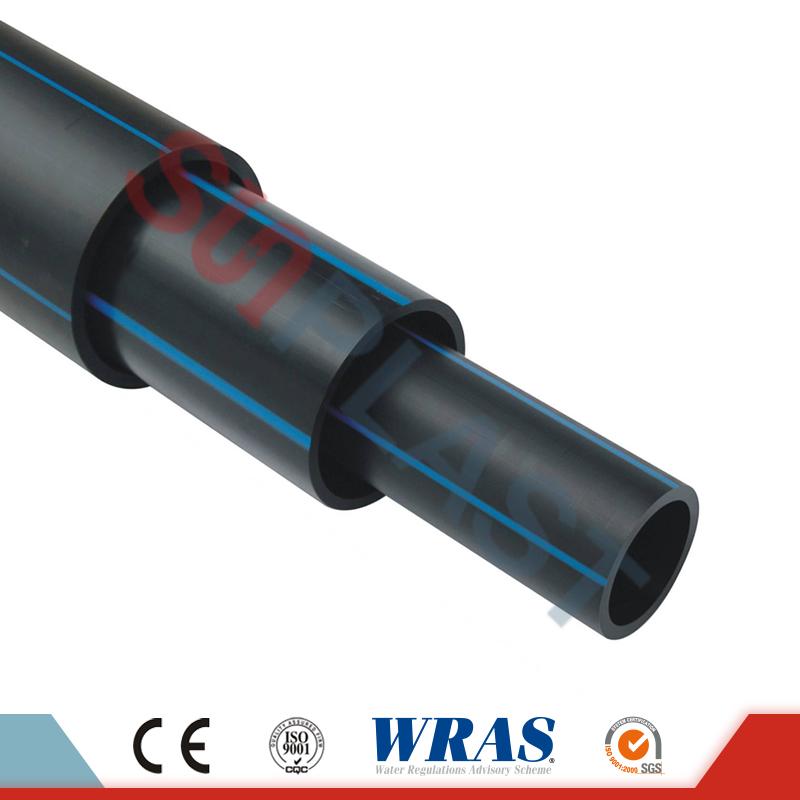
Most pipeline decisions start with a problem. In some projects, metal pipes corrode too quickly in aggressive soil or chemical environments. In others, rigid materials crack under impact, shifting ground, or poor installation conditions. Some systems become expensive not because the purchase price was high, but because labor, fittings, joints, repairs, and downtime keep adding cost after the project is complete.
Buyers are often looking for a piping solution that helps them avoid six very practical issues:
- Leakage at connection points, especially in buried or long-distance networks.
- Corrosion and scaling that shorten service life and reduce flow efficiency.
- Cracking or brittle failure caused by impact, pressure change, or ground settlement.
- Heavy material handling that slows installation and raises labor cost.
- Frequent maintenance in systems expected to run continuously.
- Uncertain long-term value when a low initial price leads to higher lifecycle cost.
HDPE Pipe became popular because it addresses these concerns in a direct, practical way. It is not simply a substitute for another material. It is often chosen because it solves multiple project risks at the same time.
Practical takeaway: If your project depends on buried pipelines, large installation volumes, long service life, or reduced maintenance, the decision should be based on total operating value rather than material price alone.
What Makes HDPE Pipe Different?
The strength of HDPE Pipe comes from a combination of material structure and installation performance. Unlike many rigid pipe systems, HDPE has flexibility without sacrificing durability. That matters in real-world projects where pipelines are exposed to pressure, vibration, uneven settlement, climate variation, and challenging site conditions.
Here are the qualities that make it stand out:
-
Excellent corrosion resistance
HDPE does not rust, rot, or suffer electrochemical corrosion the way some metal systems do. This makes it highly suitable for water supply, chemical transport, coastal environments, and buried applications. -
Leak-resistant jointing
When properly installed through butt fusion or electrofusion, HDPE Pipe forms a strong, integrated system that reduces the chance of leakage at joints. For long networks, this is a major advantage. -
High flexibility
Flexible pipe is often easier to install over uneven terrain and better able to tolerate ground movement. This helps reduce stress concentration and lowers the chance of sudden cracking. -
Strong impact resistance
In transportation, storage, and construction handling, HDPE generally performs better than brittle materials that can chip or fracture under rough treatment. -
Smooth internal surface
A smoother bore helps maintain flow efficiency and reduces the likelihood of scaling or deposit buildup over time. -
Lightweight handling
Compared with many traditional materials, HDPE is easier to transport, move, and position on site, which helps improve installation speed. -
Long service life potential
In correctly designed systems, HDPE is valued for stable long-term performance, which supports better lifecycle cost control.
These features matter because project owners are rarely rewarded for choosing the cheapest material. They are rewarded for choosing a system that keeps working with fewer surprises.
Where Does HDPE Pipe Perform Best?
One reason HDPE Pipe continues to gain market acceptance is its versatility. It can be used in a wide range of sectors where reliability and environmental adaptability matter.
-
Water Supply Networks
Clean water systems need pipe that resists internal wear, avoids corrosion, and performs consistently over time. HDPE is widely used in municipal and commercial water distribution because it supports safe, efficient flow and dependable buried performance. -
Agricultural Irrigation
Farms and irrigation projects often need long pipe runs, outdoor exposure resistance, and installation convenience across varied terrain. HDPE suits these conditions well. -
Drainage and Sewage Systems
Wastewater systems demand materials that tolerate moisture, chemicals, and underground stress. The corrosion resistance of HDPE Pipe makes it a practical option for such environments. -
Industrial Fluid Transfer
In selected industrial applications, HDPE is used for transporting water, slurry, or compatible process media where durability and low maintenance are priorities. -
Mining and Dredging Projects
Tough service conditions require pipe that can handle abrasion, outdoor exposure, and physical stress. HDPE is often preferred where rugged performance matters. -
Cable Protection and Infrastructure Works
Infrastructure projects need pipe systems that are durable, lightweight, and efficient to install over distance. HDPE helps meet those needs.
In short, HDPE Pipe is not a niche material. It is a practical choice across sectors where long-term operation matters more than short-term convenience.
How Does HDPE Pipe Compare With Traditional Materials?
Customers often ask whether HDPE is really better than PVC, steel, or other conventional pipe materials. The honest answer is that every project has its own requirements, but HDPE brings several advantages when the focus is durability, flexibility, and lower maintenance risk.
| Comparison Point | HDPE Pipe | Traditional Rigid Options |
|---|---|---|
| Corrosion Resistance | Very strong resistance in many buried and moist environments | May corrode, scale, or degrade depending on material and site conditions |
| Flexibility | Good flexibility for ground movement and routing adaptation | Usually more rigid and less tolerant of settlement or vibration |
| Joint Integrity | Fusion methods can create highly reliable connections | Some systems rely heavily on mechanical joints or seals |
| Installation Handling | Lighter weight can reduce transport and labor pressure | Heavier materials may require more equipment and handling time |
| Maintenance Demand | Often lower due to corrosion resistance and durability | Can increase over time in aggressive or unstable environments |
| Long-Term Value | Strong lifecycle performance in many applications | Initial purchase cost may be lower or higher, but long-term costs vary widely |
This comparison helps explain why many buyers move toward HDPE Pipe when they want a material that supports stable project performance instead of recurring corrective work.
What Should You Check Before Buying?
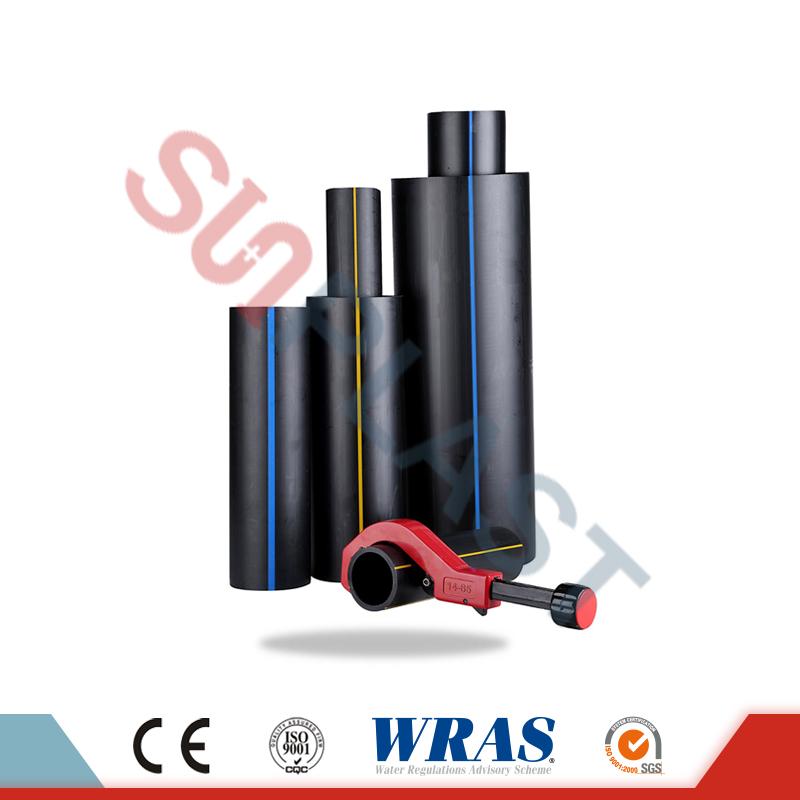
Choosing the right pipe is not just about selecting the material category. Buyers should also pay close attention to product specification, production consistency, and supplier reliability. Even a strong material can underperform if the size, pressure rating, joining method, or manufacturing quality does not match the application.
Before placing an order, it is wise to confirm the following points:
- Application type — Is the pipe intended for potable water, drainage, irrigation, industrial fluid transfer, or another use?
- Pressure requirements — Make sure the selected pipe class matches working conditions and design expectations.
- Diameter and wall thickness — Proper sizing affects flow, strength, installation compatibility, and service performance.
- Connection method — Butt fusion, electrofusion, or suitable fittings should align with project needs and contractor capability.
- Material consistency — Stable raw material quality and controlled production improve performance reliability.
- Supplier support — Technical communication, documentation, and delivery reliability all influence project success.
For many buyers, supplier choice is just as important as product choice. Working with an experienced manufacturer can reduce specification mistakes, improve ordering efficiency, and help avoid costly mismatches between design and field installation.
Ningbo Sunplast Pipe Co., Ltd. focuses on delivering practical piping solutions that support demanding project needs. For buyers who need consistency, clear communication, and products built for real application performance, the supplier relationship matters from the first quotation to final installation.
Frequently Asked Questions
Is HDPE Pipe suitable for buried installations?
Yes. One of the major strengths of HDPE Pipe is its suitability for buried systems. Its flexibility, corrosion resistance, and dependable jointing performance make it a popular option for underground networks.
Can HDPE Pipe help reduce leakage risk?
In properly designed and correctly installed systems, fusion-based connections can significantly reduce leakage concerns compared with systems that rely more heavily on gasketed or mechanical joints.
Is HDPE Pipe only used for water supply?
No. It is also used in irrigation, drainage, industrial applications, mining, dredging, and infrastructure protection works, depending on specification and project requirements.
Does HDPE Pipe require less maintenance?
In many applications, yes. Because it resists corrosion and performs well in demanding environments, maintenance needs are often lower than with materials more vulnerable to rust, scaling, or brittle failure.
What matters most when selecting a supplier?
Product consistency, specification accuracy, communication efficiency, technical support, and dependable delivery are all important. A good supplier helps prevent problems before they reach the job site.
What Should Buyers Remember Before Making a Final Decision?
Pipeline systems are long-term assets, which means every material choice should be judged by performance over time, not only by the first invoice. HDPE Pipe continues to earn trust because it answers the concerns that matter most in real projects: leakage, corrosion, installation efficiency, structural adaptability, and maintenance control. It gives buyers a way to reduce risk while building systems designed for dependable operation.
If you are comparing piping options for water supply, irrigation, drainage, industrial transfer, or infrastructure development, it is worth looking beyond surface-level cost and focusing on the material that can keep your project stable year after year. If you want to discuss specifications, application suitability, or supply details, contact us today. Ningbo Sunplast Pipe Co., Ltd. is ready to help you choose the right HDPE Pipe solution for your market and your project goals.