- English
- Español
- Português
- русский
- Français
- 日本語
- Deutsch
- tiếng Việt
- Italiano
- Nederlands
- ภาษาไทย
- Polski
- 한국어
- Svenska
- magyar
- Malay
- বাংলা ভাষার
- Dansk
- Suomi
- हिन्दी
- Pilipino
- Türkçe
- Gaeilge
- العربية
- Indonesia
- Norsk
- تمل
- český
- ελληνικά
- український
- Javanese
- فارسی
- தமிழ்
- తెలుగు
- नेपाली
- Burmese
- български
- ລາວ
- Latine
- Қазақша
- Euskal
- Azərbaycan
- Slovenský jazyk
- Македонски
- Lietuvos
- Eesti Keel
- Română
- Slovenski
- मराठी
- Srpski језик

How Can Proper Maintenance Extend the Service Life of HDPE Pipe Systems?
Introduction
In modern water supply, drainage, gas transmission, and industrial fluid transport projects, long term system reliability is no longer defined only by initial material quality. Operational stability increasingly depends on whether maintenance strategies are applied correctly and consistently throughout the lifecycle. This is especially true for HDPE Pipe systems, which are known for flexibility, corrosion resistance, and long design life. However, even advanced materials require professional maintenance practices to fully realize their performance potential.
At Ningbo Sunplast Pipe Co., Ltd., our experience across municipal, agricultural, and industrial projects shows that systematic maintenance can significantly extend the actual service life beyond standard expectations. Our factory designs and manufactures products with durability in mind, but how the pipeline is inspected, cleaned, protected, and monitored after installation plays a decisive role in lifecycle cost and system safety.
This article explains how proper maintenance extends service life from a technical and operational perspective. It provides clear guidance based on engineering practice, material science, and field feedback. The insights presented here reflect how our team supports long term system performance for HDPE Pipe installations worldwide.

Table of Contents
- What Are the Core Material Characteristics of HDPE Pipe Systems?
- Why Does Routine Inspection Matter for Long Term Pipeline Performance?
- How Do Cleaning and Flow Management Reduce Internal Degradation?
- How Does Environmental Protection Prevent Premature Aging?
- What Role Does Correct Repair and Joint Maintenance Play?
- Summary
- FAQ
What Are the Core Material Characteristics of HDPE Pipe Systems?
Understanding material behavior is the foundation of effective maintenance. HDPE Pipe products are manufactured from high density polyethylene, a thermoplastic polymer engineered to deliver strength, flexibility, and chemical stability across diverse environments. At Ningbo Sunplast Pipe Co., Ltd., our factory selects raw materials that comply with international standards to ensure predictable long term performance.
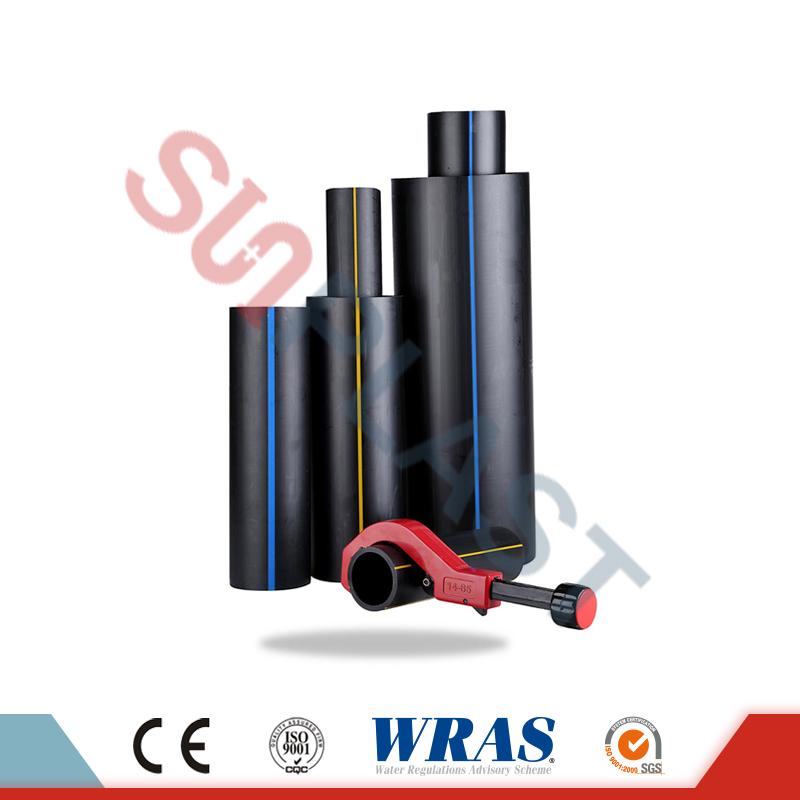
Key material properties include:
- High resistance to corrosion and chemical attack
- Excellent impact resistance even at low temperatures
- Flexible structure that absorbs ground movement
- Smooth internal surface that minimizes friction loss
- Resistance to biological growth and scaling
These properties mean the pipe itself does not degrade easily, but external and operational factors can still influence longevity. Maintenance strategies must align with these characteristics rather than work against them. Our engineering teams design maintenance guidelines that complement the polymer structure rather than introduce unnecessary stress.
Below is a reference table showing typical parameters used in industrial and municipal applications.
| Material Grade | PE100 |
| Standard Dimension Ratio | SDR 11 to SDR 26 |
| Pressure Rating | PN6 to PN16 |
| Operating Temperature | -40°C to 60°C |
| Expected Design Life | 50 years or more |
By understanding these parameters, maintenance teams can tailor inspection intervals, cleaning methods, and protection measures. Our factory emphasizes this alignment during project consultation to ensure HDPE Pipe systems deliver consistent output over decades.
Why Does Routine Inspection Matter for Long Term Pipeline Performance?
Routine inspection plays a critical role in ensuring the long term performance and structural reliability of HDPE Pipe systems. Although high density polyethylene is engineered for durability and flexibility, pipeline networks are dynamic systems influenced by pressure cycles, soil movement, environmental exposure, and operational behavior. Without systematic inspection, minor deviations can gradually evolve into structural stress or performance loss.
Based on project experience at Ningbo Sunplast Pipe Co., Ltd., inspection should be regarded as a preventive management process rather than a fault finding exercise. Our factory consistently observes that pipelines rarely fail suddenly. Instead, early warning signs usually appear long before performance degradation becomes critical. Identifying these signals early allows operators to correct issues with minimal cost and minimal service interruption.
What Key Components Should Be Included in a Routine Inspection Program?
An effective inspection program addresses both physical condition and operational performance. HDPE Pipe systems should be evaluated from multiple technical perspectives to ensure balanced system health.
- External condition of exposed pipe sections including surface smoothness and alignment
- Integrity of fusion joints and mechanical connections
- Stability of supports and anchors in above ground installations
- Backfill condition and soil settlement in buried pipelines
- Pressure consistency during normal and peak operation
Our factory recommends documenting inspection findings in a standardized format. Consistent records allow operators to identify gradual changes that might otherwise appear insignificant when viewed in isolation.
How Do Pressure and Flow Monitoring Support Early Detection?
Pressure and flow behavior provide valuable insight into the internal condition of an HDPE Pipe network. Deviations from established operating patterns often signal internal obstruction, joint stress, or improper valve operation. Continuous or periodic monitoring enables maintenance teams to detect trends rather than isolated incidents.
Typical indicators that require attention include:
- Sudden pressure drops without corresponding demand change
- Unstable pressure during pump start and shutdown cycles
- Reduced flow rate at constant pump output
- Unusual vibration or noise near fittings and valves
At Ningbo Sunplast Pipe Co., Ltd., our technical teams advise clients to integrate pressure monitoring into routine inspection schedules. This approach aligns operational data with physical inspection results, creating a more complete understanding of system behavior.
How Does Installation Environment Influence Inspection Frequency?
Inspection frequency should never be fixed across all projects. Environmental conditions significantly affect how often an HDPE Pipe system should be evaluated. Pipelines installed in stable soil with moderate temperature variation may require less frequent inspection than those exposed to aggressive conditions.
Factors that justify increased inspection frequency include:
- High operating pressure close to design limits
- Installation in areas with ground movement or vibration
- Exposure to extreme temperature variation
- Industrial environments with chemical exposure risks
- Frequent start stop operational cycles
Our factory assists project owners by recommending inspection intervals tailored to specific operating environments. This targeted approach avoids unnecessary inspections while ensuring critical risks are effectively managed.
Recommended Inspection Focus Areas and Frequency
The table below outlines common inspection elements and recommended evaluation frequency for standard HDPE Pipe systems.
| Inspection Item | Primary Objective | Typical Frequency |
| Visual pipe condition | Identify deformation or surface damage | Every 6 to 12 months |
| Joint and fitting inspection | Ensure connection integrity | Every 6 months |
| Pressure monitoring | Detect abnormal operating behavior | Continuous or quarterly |
| Soil and backfill assessment | Confirm external support stability | Annually |
| System performance review | Evaluate long term trends | Annually |
Why Documentation and Trend Analysis Are Essential
Inspection delivers the greatest value when supported by proper documentation. Recording inspection results allows operators to track gradual changes in pipe condition and system performance. Over time, this data forms a predictive maintenance foundation rather than a reactive response model.
At Ningbo Sunplast Pipe Co., Ltd., our factory encourages clients to combine inspection records with operational data such as pressure logs and maintenance history. This integrated approach improves decision making, reduces unexpected downtime, and extends the effective service life of every HDPE Pipe installation.
How Do Cleaning and Flow Management Reduce Internal Degradation?
Internal degradation is often overlooked in pipeline maintenance because it is not immediately visible. However, even though HDPE Pipe systems feature smooth internal walls and excellent chemical resistance, improper flow conditions and insufficient cleaning can gradually affect hydraulic efficiency and long term reliability. Effective cleaning and flow management focus on preserving internal stability rather than reacting to performance loss.
From operational data analyzed by Ningbo Sunplast Pipe Co., Ltd., internal degradation rarely results from material failure. Instead, it is usually linked to sediment accumulation, flow imbalance, or repeated pressure fluctuations. Our factory emphasizes that internal maintenance should be viewed as a continuous process integrated into daily operation.
Why Can Sediment Accumulation Occur in HDPE Pipe Systems?
Although the internal surface of HDPE Pipe is significantly smoother than that of traditional metal pipes, sediment accumulation can still occur under certain conditions. Low flow velocity, irregular system usage, and high solid content in the transported medium are common contributing factors.
Typical causes of internal buildup include:
- Extended low velocity operation below recommended flow thresholds
- Intermittent use that allows particles to settle during idle periods
- Transport of fluids containing sand or suspended solids
- Changes in pipeline slope or direction creating dead zones
Over time, accumulated sediment reduces effective cross sectional area, increasing localized velocity and pressure loss. This does not damage the pipe wall directly but places additional stress on joints and fittings.
How Does Proper Cleaning Preserve Hydraulic Efficiency?
Routine cleaning is essential for maintaining consistent flow characteristics. Cleaning does not aim to restore damaged material, but to prevent internal conditions that could indirectly shorten service life. When performed correctly, cleaning preserves the original hydraulic design parameters of the HDPE Pipe system.
Recommended cleaning practices include:
- Periodic flushing using controlled flow velocity
- Directional flushing to remove settled particles
- Avoidance of abrasive mechanical cleaning tools
- Use of compatible cleaning media that do not react with polyethylene
Our factory advises against aggressive chemical agents that may compromise long term material stability. At Ningbo Sunplast Pipe Co., Ltd., cleaning guidelines are tailored to application type, ensuring effectiveness without introducing new risks.
How Does Flow Management Prevent Internal Stress?
Flow management is closely linked to internal condition. Sudden changes in flow velocity or pressure can create transient stresses known as surge events. While HDPE Pipe can absorb some degree of fluctuation due to its flexibility, repeated uncontrolled surges increase fatigue stress at joints.
Key flow management strategies include:
- Gradual valve operation during system start and shutdown
- Maintaining stable pump operation within design parameters
- Avoiding frequent rapid cycling of pumps
- Balancing flow distribution in branched networks
Our factory often observes that systems with stable flow profiles experience fewer joint related maintenance issues over time. Ningbo Sunplast Pipe Co., Ltd. integrates flow management recommendations into commissioning support to promote long term reliability.
How Do Cleaning and Flow Control Work Together?
Cleaning and flow management are most effective when applied together. Flushing without proper velocity control may fail to remove settled material, while flow optimization alone cannot address existing accumulation. When combined, these practices maintain internal cleanliness and reduce unnecessary stress. By aligning operational behavior with maintenance routines, operators ensure that HDPE Pipe systems maintain consistent performance, minimize energy consumption, and achieve their intended service life with minimal intervention.
How Does Environmental Protection Prevent Premature Aging?
Environmental exposure is a decisive factor in the long term durability of HDPE Pipe systems. While high density polyethylene is formulated to resist corrosion, moisture, and many chemical agents, external environmental conditions can still influence aging behavior if protective measures are insufficient. Proper environmental protection ensures that material performance remains stable throughout the designed service life.
Based on field applications supported by Sunplast, environmental aging rarely occurs as a single event. Instead, it develops gradually due to prolonged exposure to sunlight, temperature fluctuation, soil stress, or chemical contaminants. Our factory places strong emphasis on preventive environmental control rather than corrective action after degradation has begun.
How Does UV Exposure Affect HDPE Pipe Performance?
Ultraviolet radiation is one of the most common environmental stressors for above ground HDPE Pipe installations. Although pipes are typically manufactured with UV stabilizers, extended direct exposure without shielding can lead to surface oxidation over time. This process may not immediately compromise pressure capacity, but it can reduce surface toughness and flexibility.
Effective UV protection strategies include:
- Installing protective covers or shielding materials
- Applying compatible surface coatings where required
- Minimizing storage time in direct sunlight before installation
- Using burial or enclosure for long term exposure areas
Our factory advises integrating UV protection planning during the design stage rather than treating it as a post installation consideration.
Why Do Temperature and Soil Conditions Matter?
Temperature variation directly affects material expansion and contraction. Repeated thermal cycling can place additional stress on joints and anchoring points if not properly accommodated. HDPE Pipe systems installed in regions with extreme seasonal changes require flexible support and expansion allowance to avoid long term fatigue.
Soil conditions also play a significant role. Uneven backfill, sharp stones, or unstable soil can create localized pressure points along the pipe wall. Over time, these stresses may contribute to deformation or misalignment.
- Use well graded, stone free backfill material
- Ensure uniform compaction around the pipe
- Avoid point loading from heavy surface structures
- Monitor areas prone to soil movement
How Can Chemical and Environmental Compatibility Be Managed?
In industrial or contaminated environments, chemical exposure from surrounding soil or transported fluids may accelerate aging if compatibility is not properly assessed. Although HDPE Pipe offers excellent chemical resistance, site specific evaluation remains essential.
Ningbo Sunplast Pipe Co., Ltd. supports clients with environmental compatibility assessments to ensure that resin selection, installation method, and protection measures align with actual operating conditions. Our factory focuses on minimizing long term interaction between external contaminants and the pipeline system.
By managing UV exposure, temperature effects, soil conditions, and chemical compatibility together, environmental protection becomes a powerful tool for preventing premature aging and maintaining long term pipeline reliability.
What Role Does Correct Repair and Joint Maintenance Play?
Correct repair procedures and consistent joint maintenance are essential to preserving the long term integrity of HDPE Pipe systems. While the material itself is resilient and tolerant of movement, joints and connections represent transition points where stress can concentrate if maintenance practices are not properly controlled. In many real world cases, system performance issues originate not from the pipe wall, but from improperly repaired or poorly maintained joints.
From project support experience at Ningbo Sunplast Pipe Co., Ltd., our factory has observed that minor leaks or misalignments, when addressed incorrectly, often create secondary stress points that reduce overall service life. Proper repair is therefore not merely about restoring functionality, but about maintaining structural continuity throughout the pipeline network.
Why Are Joints the Most Sensitive Areas in HDPE Pipe Systems?
HDPE Pipe systems rely on fusion or mechanical joints to create a continuous pressure rated structure. These joints must transfer load, absorb movement, and maintain sealing integrity under varying operating conditions. Any deviation from recommended joint preparation or installation parameters can compromise long term performance.
Common joint related risks include:
- Incomplete fusion due to improper temperature or pressure control
- Contamination of joint surfaces during repair
- Misalignment caused by uneven support or soil movement
- Use of incompatible fittings or repair components
Our factory emphasizes that joint quality should be evaluated not only during installation, but also throughout operation, particularly in high pressure or high movement environments.
How Should Repairs Be Performed to Preserve Structural Integrity?
Effective repair practices follow the same engineering principles applied during original installation. Temporary fixes or improvised methods may restore short term flow, but often introduce hidden weaknesses. Ningbo Sunplast Pipe Co., Ltd. recommends that all repairs maintain full compatibility with the original HDPE Pipe system design.
Best practice repair principles include:
- Using fusion or mechanical fittings designed for the same material grade
- Ensuring clean, dry, and properly prepared joint surfaces
- Following manufacturer specified fusion parameters
- Allowing adequate cooling time before pressurization
- Conducting pressure testing after repair completion
Our factory often provides technical guidance to ensure repairs are executed with precision, minimizing the risk of recurring issues.
Why Is Preventive Joint Maintenance as Important as Repair?
Joint maintenance should not be limited to addressing visible leaks. Preventive maintenance focuses on preserving joint stability before performance degradation occurs. This approach reduces emergency interventions and extends the effective service life of the entire HDPE Pipe system.
Preventive joint maintenance typically involves:
- Periodic inspection of exposed joints and fittings
- Verification of alignment and support conditions
- Monitoring pressure behavior near connection points
- Assessing movement allowance in areas subject to expansion or vibration
At Ningbo Sunplast Pipe Co., Ltd., our factory advises integrating joint checks into routine inspection programs rather than treating them as isolated tasks.
How Do Proper Repairs Reduce Long Term Operational Risk?
When repairs and joint maintenance are performed correctly, they restore uniform stress distribution across the pipeline. This consistency reduces localized fatigue, minimizes the likelihood of repeat failures, and supports predictable long term operation. By maintaining compatibility, alignment, and pressure integrity, operators ensure that HDPE Pipe systems continue to perform as designed. Our factory supports this objective by providing standardized repair recommendations aligned with material behavior and field conditions.
Ultimately, correct repair and joint maintenance transform maintenance activities from reactive problem solving into strategic lifecycle management, protecting system investment and ensuring stable performance over decades.
Summary
Proper maintenance transforms HDPE Pipe systems from durable products into long term infrastructure assets. By aligning inspection routines, cleaning practices, environmental protection, and repair methods with material characteristics, operators can significantly extend service life while reducing operational risk. Ningbo Sunplast Pipe Co., Ltd. combines manufacturing expertise with practical maintenance guidance, ensuring our clients achieve stable performance from installation through decades of operation. Our factory remains committed to supporting sustainable pipeline solutions that deliver measurable value over time.
For project owners seeking reliable performance and lower lifecycle costs, adopting a structured maintenance strategy is not optional but essential. Contact our team today to discuss how our solutions can support your next HDPE Pipe project and enhance long term system reliability.
FAQ
Q1: How often should HDPE Pipe systems be inspected?
Inspection frequency depends on operating pressure, environmental conditions, and transported media. In most municipal systems, visual and operational checks every six to twelve months are recommended to identify early signs of stress or misalignment.
Q2: Can cleaning damage HDPE Pipe materials?
Cleaning does not damage the pipe when compatible methods are used. Avoid abrasive tools and aggressive chemicals, and focus on flushing and controlled flow techniques to preserve internal surfaces.
Q3: Does UV exposure significantly reduce service life?
Prolonged unprotected UV exposure can accelerate surface aging. Proper shielding or burial effectively mitigates this risk and maintains mechanical strength.
Q4: Are pressure fluctuations harmful to HDPE Pipe systems?
Repeated pressure surges increase stress on joints and fittings. Flow control and gradual valve operation reduce this impact and support long term stability.
Q5: Is professional repair necessary for minor leaks?
Yes. Even minor repairs should follow approved procedures and use compatible fittings to prevent hidden stress points that may lead to future failures.