- English
- Español
- Português
- русский
- Français
- 日本語
- Deutsch
- tiếng Việt
- Italiano
- Nederlands
- ภาษาไทย
- Polski
- 한국어
- Svenska
- magyar
- Malay
- বাংলা ভাষার
- Dansk
- Suomi
- हिन्दी
- Pilipino
- Türkçe
- Gaeilge
- العربية
- Indonesia
- Norsk
- تمل
- český
- ελληνικά
- український
- Javanese
- فارسی
- தமிழ்
- తెలుగు
- नेपाली
- Burmese
- български
- ລາວ
- Latine
- Қазақша
- Euskal
- Azərbaycan
- Slovenský jazyk
- Македонски
- Lietuvos
- Eesti Keel
- Română
- Slovenski
- मराठी
- Srpski језик

How Does HDPE Pipe Maintain Flow Efficiency Over Long-Term Operation?
At Ningbo Sunplast Pipe Co., Ltd., we are committed to delivering high-quality HDPE Pipe that guarantees consistent flow performance over time. Understanding the factors that affect flow efficiency is essential for long-term operational success. In this article, we explore how our HDPE Pipe maintains superior performance while providing detailed specifications and practical insights for engineers and project managers.
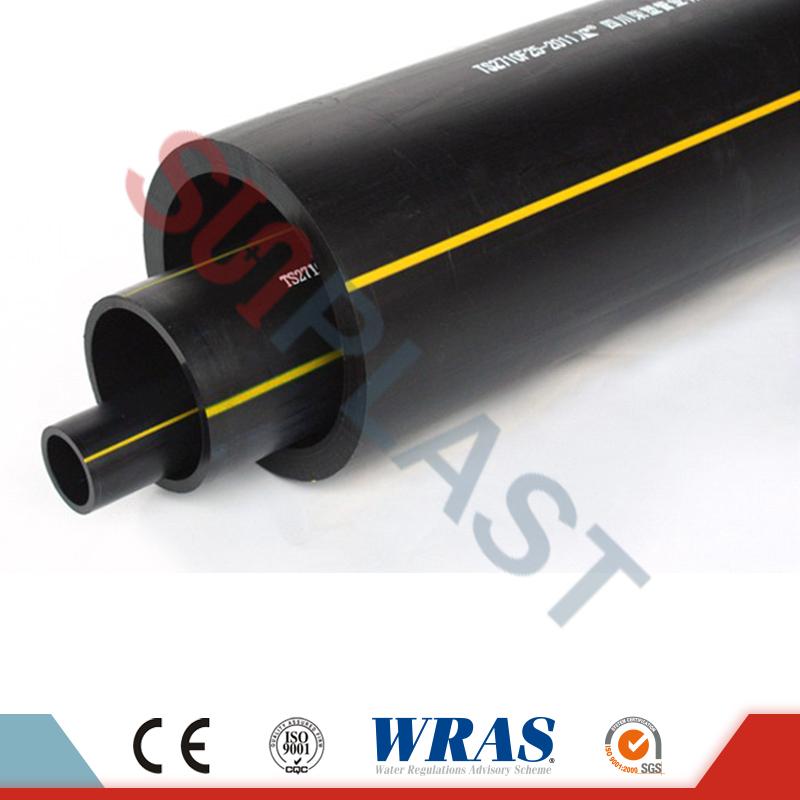
Table of Contents
- Why Is Material Selection Critical for Maintaining HDPE Pipe Flow Efficiency?
- How Do Manufacturing Standards Impact HDPE Pipe Performance?
- What Are the Key Design Features That Support Long-Term Flow Efficiency?
- How Do Installation and Maintenance Practices Affect Flow Efficiency?
- Summary
- FAQ
Why Is Material Selection Critical for Maintaining HDPE Pipe Flow Efficiency?
The selection of raw materials is a decisive factor in ensuring that HDPE Pipe maintains consistent flow efficiency over time. At our factory, we prioritize high-density polyethylene (HDPE) resins that meet international quality standards. Our HDPE Pipe exhibits excellent chemical resistance, low friction, and minimal surface roughness, which all contribute to sustained flow efficiency.
- Low Surface Roughness: Our HDPE Pipe has an internal surface roughness of less than 0.007 mm, reducing friction loss and energy consumption.
- Chemical Resistance: The material resists corrosion and scaling from common chemicals, preserving the internal diameter over long-term operation.
- Flexibility and Impact Resistance: HDPE material can accommodate soil movements and thermal expansion, preventing cracks or leaks that could reduce flow efficiency.
- UV Resistance: Our HDPE Pipe resists degradation from UV exposure, ensuring the material maintains its properties even in outdoor applications.
Choosing high-quality HDPE ensures that our pipes can withstand varying operating conditions while maintaining hydraulic efficiency.
| Parameter | Value | Benefit |
| Density | 0.950 - 0.960 g/cm³ | Provides strength and durability for long-term flow stability |
| Internal Roughness | 0.007 mm | Minimizes friction loss, maintaining consistent flow rate |
| Tensile Strength | 25 MPa | Ensures structural integrity under pressure variations |
| Chemical Resistance | Excellent | Prevents scaling and internal corrosion |
At Ningbo Sunplast Pipe Co., Ltd., our selection of premium HDPE resins ensures our HDPE Pipe outperforms conventional piping materials over extended operational periods.
How Do Manufacturing Standards Impact HDPE Pipe Performance?
The performance of HDPE Pipe is heavily influenced by the manufacturing process. At our factory, we implement stringent quality controls and follow ISO and ASTM standards to guarantee consistency. Our extrusion techniques produce uniform wall thickness, minimizing the risk of flow restrictions caused by uneven surfaces.
- Consistent Wall Thickness: Ensures uniform hydraulic capacity and prevents local pressure drops.
- Precision Extrusion: Our factory utilizes advanced extrusion equipment to maintain tight tolerances in diameter, critical for maintaining flow efficiency.
- Hydrostatic Testing: Each batch of HDPE Pipe undergoes hydrostatic testing to verify pressure resistance and leak-free performance.
- Quality Certification: Compliance with ISO 4427 and ASTM F714 guarantees that our HDPE Pipe meets global operational standards.
By adhering to rigorous manufacturing standards, our HDPE Pipe ensures minimal flow disruptions over long-term operations.
| Standard | Specification | Impact on Flow Efficiency |
| ISO 4427 | PE100 HDPE | Ensures strength, flexibility, and hydraulic performance |
| ASTM F714 | Dimensionally Controlled | Prevents flow restriction due to uneven diameter |
| Hydrostatic Test | PN16, PN20 | Validates pressure tolerance and leak-free operation |
Sunplast focuses on combining advanced materials with precise manufacturing to deliver HDPE Pipe that maintains flow efficiency consistently.
What Are the Key Design Features That Support Long-Term Flow Efficiency?
Design features play a significant role in the long-term hydraulic performance of HDPE Pipe. At our factory, we consider the following aspects when designing our products:
- Optimized Internal Diameter: Our HDPE Pipe is designed to maintain optimal flow rates under varying operational pressures.
- Uniform Wall Thickness: Prevents weak points or local flow restrictions that can cause turbulence.
- Flexible Joints: Our fusion-welded or electrofusion joints minimize leak risks and maintain smooth internal flow.
- Resistance to Abrasion: The HDPE Pipe resists internal wear from solid particles, preserving flow efficiency over decades.
- Thermal Expansion Management: The pipe’s flexibility accommodates environmental temperature changes without deformation that could affect flow.
- Pressure Rating Compliance: HDPE Pipe from our factory is rated up to PN20, ensuring safe and efficient transport of liquids under high-pressure conditions.
These design features ensure that our HDPE Pipe continues to deliver high flow efficiency, reducing maintenance costs and operational disruptions.
How Do Installation and Maintenance Practices Affect Flow Efficiency?
Proper installation and maintenance practices are critical to ensuring that HDPE Pipe maintains optimal flow efficiency over its service life. At Ningbo Sunplast Pipe Co., Ltd., we emphasize that even the highest-quality HDPE Pipe can underperform if installation guidelines are ignored. Our experience shows that careful planning, proper techniques, and routine maintenance directly influence the long-term hydraulic performance of HDPE Pipe.
Installation Best Practices for HDPE Pipe
- Trench Preparation: Ensure proper bedding and backfill using uniform, compacted material to support the pipe evenly and prevent sagging or deformation.
- Correct Fusion Techniques: Following butt fusion or electrofusion standards ensures smooth joints that minimize turbulence and maintain internal flow efficiency.
- Temperature and Handling: Avoid exposure to extreme temperatures during storage or installation. Our HDPE Pipe is UV-stabilized, but excessive heat or cold can affect flexibility temporarily.
- Alignment and Slope: Correct alignment and slope prevent localized low points that can accumulate sediment, affecting flow efficiency.
- Pressure Testing After Installation: Conduct hydrostatic tests according to our factory guidelines to ensure joints are leak-free and the system meets design specifications.
Maintenance Practices That Preserve Flow Efficiency
Even after installation, regular maintenance is essential for maintaining the hydraulic performance of HDPE Pipe. Our HDPE Pipe is engineered for long-term durability, but preventive care maximizes its efficiency:
- Routine Inspection: Visually inspect pipes and joints for signs of external damage, deformation, or unusual wear patterns.
- Cleaning and Flushing: Periodically remove sediment, biofilm, or debris with high-pressure flushing without damaging the pipe surface.
- Monitoring Flow Rate and Pressure: Regular monitoring can detect early signs of reduced flow efficiency caused by blockage or mechanical stress.
- Repair Protocols: Follow our recommended repair methods using compatible HDPE Pipe fittings to restore flow efficiency in case of leaks or damage.
- Environmental Protection: Maintain protective coverings in areas exposed to sunlight or chemical spill risks to prolong material integrity.
Comparison Table of Installation and Maintenance Impact
| Practice | Recommended Approach | Impact on Flow Efficiency |
| Trench Bedding | Uniform, compacted sand or fine soil | Prevents pipe deformation and maintains smooth internal flow |
| Joint Fusion | Follow butt or electrofusion guidelines | Ensures leak-free connections and reduces turbulence |
| Cleaning | High-pressure flushing every 6-12 months | Removes sediment and biofilm, maintaining consistent flow |
| Inspection | Visual and pressure monitoring quarterly | Early detection of issues, preventing long-term efficiency loss |
| Environmental Management | Protect from UV, chemical exposure, and extreme temperature | Preserves pipe integrity and internal smoothness |
At Sunplast, we have observed that pipelines installed with attention to these practices achieve maximum operational lifespan while sustaining hydraulic efficiency. Our HDPE Pipe is specifically designed to accommodate these installation and maintenance protocols, ensuring reliable performance for years. By following these best practices, our customers experience reduced energy consumption, fewer maintenance interventions, and uninterrupted flow in their systems.
Ultimately, the combination of high-quality HDPE Pipe and proper installation and maintenance protocols forms the foundation for long-term flow efficiency and operational reliability in all applications.
Summary
Ningbo Sunplast Pipe Co., Ltd. delivers HDPE Pipe that ensures flow efficiency through careful material selection, strict manufacturing standards, thoughtful design, and adherence to proper installation practices. Our commitment to quality guarantees that our HDPE Pipe maintains superior performance over long-term operation, reducing maintenance costs and improving operational reliability. By choosing our HDPE Pipe, customers can rely on consistent hydraulic performance and durability.
Contact our team today to learn more about how our HDPE Pipe can optimize your projects and ensure long-term flow efficiency. For more information or to request a quote, contact Ningbo Sunplast Pipe Co., Ltd. and our experts will assist you with the best HDPE Pipe solutions for your project.
FAQ
Q1: How does HDPE Pipe resist internal scaling and maintain smooth flow?
A1: HDPE Pipe from our factory has a low internal roughness of 0.007 mm, which minimizes friction and prevents scale accumulation. Its chemical resistance ensures that most liquids do not react with the pipe material, preserving smooth flow over decades.
Q2: What role does pressure rating play in maintaining HDPE Pipe flow efficiency?
A2: Pressure rating ensures that HDPE Pipe can operate safely under varying pressure conditions. Our pipes, rated up to PN20, prevent deformation and leakage that could reduce hydraulic efficiency.
Q3: How does proper joint fusion affect long-term flow?
A3: Correctly fused joints, whether butt fusion or electrofusion, maintain a smooth internal surface, eliminating turbulence at connection points. Our factory provides precise fusion guidelines to maximize hydraulic performance.
Q4: How can environmental factors impact HDPE Pipe flow efficiency?
A4: Exposure to UV, extreme temperature variations, or uneven bedding can affect pipe integrity. Our HDPE Pipe resists UV degradation and thermal expansion, ensuring stable internal diameter and consistent flow.
Q5: How does maintenance contribute to the long-term efficiency of HDPE Pipe?
A5: Routine inspections and cleaning prevent sediment buildup and early detection of mechanical damage. Following our maintenance recommendations ensures that the HDPE Pipe maintains high flow efficiency throughout its service life.